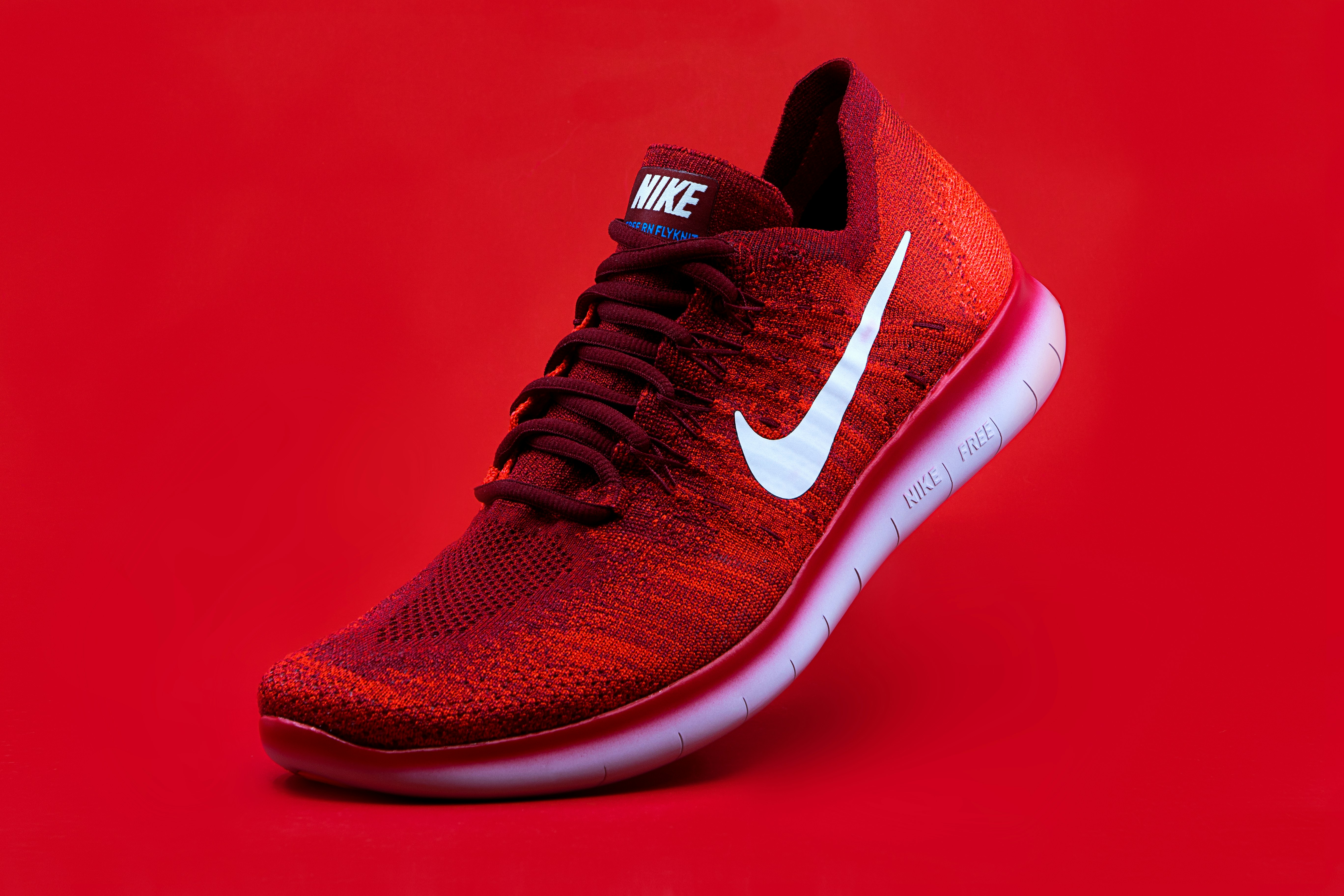
Quick Answer: Wear tested running shoes, moisture-wicking shirt and shorts, and a hat or sunglasses if it’s sunny. Never debut new gear on race day. For the Bronte Harbour Classic on June 21 — a warm summer morning on an exposed waterfront — add sunscreen, a hydration belt, and your race bib to the checklist. You signed up for your first 5K. You’ve been training. Maybe you’ve been following a training plan for a few weeks. Now race morning is getting closer and a question hits you: what do I actually wear to this thing?
It’s a fair question — and one that matters more than most people think. The right gear keeps you comfortable. The wrong gear can turn 5 kilometres into a miserable slog. We’ve been directing races for over 30 years combined, and we’ve seen every outfit mistake in the book. Cotton hoodies on 25-degree mornings. Brand-new shoes that turned feet into a blister factory by kilometre three. Jeans. Yes, actual denim.
This guide covers everything you need to know about what to wear, what to bring, and what to leave at home — specifically for a summer 5K like the Bronte Harbour Classic on June 21 in Oakville, Ontario. If this is your first race, read the whole thing. If you’ve raced before but want a quick refresher, skip straight to the race day checklist or the biggest mistakes section.
What to Wear on Top: Your Race Day Shirt
For a June race along Lake Ontario, your top layer is simple: a lightweight, moisture-wicking shirt. That’s it.
What works:
- A synthetic (polyester or nylon blend) running singlet or t-shirt
- Merino wool blend tops (surprisingly great in warm weather — they regulate temperature and resist odour)
- Loose-fitting tank tops or racerback styles for maximum airflow
What doesn’t work:
- Cotton t-shirts. Cotton absorbs sweat, gets heavy, and chafes. More on this in the mistakes section.
- That free company t-shirt from a team-building event in 2019. It’s cotton. Put it back.
Race morning at Bronte Harbour starts at 8:00 AM, and June temperatures in Oakville typically sit between 15–25 degrees Celsius. The sun will be up, the course runs along the open waterfront, and there’s usually a breeze off the lake. A single moisture-wicking layer on top is all you need. If you tend to run cold in the first few minutes, bring a throwaway long-sleeve layer you don’t mind leaving at the start line — many races collect discarded clothing for donation.
💡 Pro Tip
Light-coloured tops reflect sunlight and keep you slightly cooler than dark colours. It's a small edge, but on a sunny morning along Lake Ontario, you'll notice the difference by the halfway mark.
What to Wear on the Bottom: Shorts, Tights, or Capris
Your bottom half needs to move freely and stay dry. Here’s what to reach for:
Best options for a summer 5K:
- Running shorts with a built-in liner (so you don’t need separate underwear — trust us on this one)
- Lightweight capri tights or running leggings if you prefer more coverage
- Split-leg shorts for maximum range of motion
Length matters less than material. Whether you prefer 3-inch splits or knee-length compression tights, just make sure they’re made of moisture-wicking fabric. Avoid anything with a seam that sits where your thighs rub together — that’s a chafe zone on a humid morning.
Skip: Baggy basketball shorts (they flap, they ride up, they hold sweat), cargo shorts (the pockets catch wind like tiny parachutes), and — we shouldn’t have to say this but will — jeans.
Shoes: The Single Most Important Decision
Your shoes matter more than everything else combined. Get this right and the rest is details.
The golden rule: Run the race in shoes you’ve already trained in. This is non-negotiable. New shoes — even the perfect pair — haven’t molded to your feet yet. The foam hasn’t compressed to your stride. The upper hasn’t stretched where your foot flexes. Running 5K in untested shoes is asking for hot spots, blisters, or worse.
If your training shoes are worn down and you need new ones, buy them at least 3–4 weeks before race day. Run in them several times. Let your feet and the shoes get to know each other. A knowledgeable staff member at Running Room can help you find the right fit for your foot type and gait.
What to look for in a 5K race shoe:
- Lightweight and responsive (you’ll feel faster, because you are)
- Good cushioning for pavement — the Bronte Harbour Classic course is flat and paved, so you don’t need trail shoes or heavy stability shoes
- Proper fit: a thumb’s width of space between your longest toe and the end of the shoe. Your feet swell during running, especially in heat.
ON Running is the official shoe sponsor of the Bronte Harbour Classic, and their lightweight road shoes are purpose-built for exactly this kind of race — fast pavement, flat course, comfortable cushioning. If you’re in the market for race shoes and want to try a pair, give yourself those 3–4 weeks of break-in time.
⚠️ Don't Do This
Never race in brand-new shoes. Lacing matters too — double-knot your laces. Nothing breaks your rhythm like stopping to re-tie a shoe at kilometre four. If you use elastic speed laces, make sure they're snug but not cutting off circulation.
Socks: The Unsung Hero
Bad socks ruin good shoes. It happens all the time.
Wear thin, moisture-wicking running socks that fit snugly without bunching. Synthetic blends or merino wool are ideal. Avoid cotton socks (they hold moisture and cause friction) and avoid thick athletic socks (they trap heat).
No-show or ankle-length socks are the most popular choice for summer racing. Make sure you’ve run in the exact pair before — socks that slip down or bunch up mid-race are disproportionately annoying for such a small piece of fabric.
Sun Protection: Don’t Skip This
The Bronte Harbour waterfront is beautiful. It’s also wide open to the sun with very little shade on the course. Even at 8:00 AM in June, UV exposure adds up fast — especially with the reflection off Lake Ontario.
- Sunscreen: Apply SPF 30+ at least 20 minutes before the race starts. Hit your face, ears, neck, arms, and the backs of your hands. Use a sport formula that won’t run into your eyes when you sweat. Reapply if you’re sticking around for the post-race festival — it runs until 3:00 PM, and midday sun in June is no joke.
- Hat or visor: A lightweight running hat or visor keeps the sun off your face and the sweat out of your eyes. GearTOP, one of our event sponsors, makes breathable sun protection hats designed for exactly this — running in direct sun without overheating. A light-coloured hat with ventilation panels is perfect for a lakefront summer race.
- Sunglasses: Optional but recommended. If you wear them, choose a pair with a secure, non-slip fit. Sunglasses bouncing on your nose for 5K is a distraction you don’t need. Sport-specific frames with rubber nose pads and temple grips stay put when you’re sweating.
UV Index check: June 21 in Oakville typically hits UV Index 7–9 — “high” to “very high.” Before you leave the house, check your personal burn time. The SunUp app calculates exactly how long you can be in the sun based on your skin type and the day’s UV forecast. It takes 10 seconds and tells you whether you need to reapply at the 2-hour mark — useful when you’re planning to stick around for the post-race festival.
💡 Pro Tip
Check the Environment Canada forecast the evening before race day. Oakville lakefront conditions can change quickly — knowing whether to expect sun, cloud, or wind helps you make the right call on hat, sunglasses, and layers.
What to Bring: Your Race Day Bag Checklist
Pack a small bag the night before. Morning-of packing leads to forgotten essentials.
📊 Race Morning Checklist
Essentials: Race bib + safety pins (or confirmation email) · Running shoes (broken in) · Running socks (trained in) · Moisture-wicking shirt · Running shorts or tights · Sunscreen SPF 30+ · Water bottle · Phone
Smart additions: Body Glide or anti-chafe balm · Light rain jacket or throwaway layer · Hair ties or headband · Kinesiology tape · Post-race flip-flops · Cash or card for vendors · Dry change of shirt · Small towel · Valuables bag
For families: Stroller · Kids' change of clothes · Blanket or camp chairs · Kid-friendly snacks · Extra sunscreen
The Essentials:
- Race bib and safety pins (if you picked up early) or confirmation email on your phone
- Running shoes (already broken in)
- Running socks (the ones you’ve trained in)
- Moisture-wicking shirt
- Running shorts or tights
- Sunscreen (SPF 30+)
- Water bottle (pre-race hydration — Natrilyte will have water stations on course)
- Phone (for photos, tracking, and the post-race festival)
Smart Additions:
- Body Glide or anti-chafe balm (apply to inner thighs, underarms, and nipple area — yes, seriously, chafing happens to everyone)
- A light rain jacket or throwaway layer (just in case — check the forecast the night before)
- Hair ties or a headband (keep hair off your face and neck)
- Kinesiology tape — if you’ve got a knee, calf, or ankle that’s been grumpy during training, tape it up before the start. TapeGeeks kinesiology tape gives targeted muscle support and can be the difference between running relaxed and favouring a sore spot for the whole race.
- Post-race flip-flops or sandals (your feet will thank you)
- Cash or card for food and drink vendors at the festival
- A dry change of shirt for after the race
- Small towel
- A bag for your phone and valuables during the race (check if gear check is available)
For Families:
- Stroller (the course is flat, paved, and stroller-friendly)
- Change of clothes for kids joining the Kids 1K Fun Run
- Blanket or camp chairs for the festival
- Kid-friendly snacks
- Extra sunscreen for reapplication
Apps to Download Before Race Day
Two apps worth having on your phone — one for training, one for race morning:
RunMate Pro tracks your training runs by route, logs your total mileage, and monitors how many kilometres are on each pair of shoes. That last part matters: worn-out training shoes are one of the most common causes of race day blisters and knee soreness. RunMate shows you exactly when your shoes need replacing before race day arrives. Free on iOS, built by our co-race director Greg Kowalczyk.
SunUp gives you a personalized UV exposure limit based on your skin type and the day’s forecast. On a waterfront race morning with UV bouncing off Lake Ontario, 30 seconds checking SunUp tells you exactly how long you can be outside before reapplication — useful when you’re planning to stay for the full festival after your race.
What to Eat and Drink Before a 5K
Race day nutrition doesn’t need to be complicated for a 5K. This isn’t a marathon. You don’t need to carb-load or eat a special pre-race meal. But what you eat the morning of matters. For the full breakdown — timing, exactly what to eat, and what to avoid — read our dedicated pre-race nutrition guide.
The night before: Eat a normal dinner. Something you’re used to. Pasta, rice, chicken, fish — whatever your body knows. This is not the time to try that new Thai place. Your digestive system does not want surprises 12 hours before a race.
Race morning (2–3 hours before the 8:00 AM start):
- A light, familiar breakfast: toast with peanut butter, a banana, oatmeal, or a bagel with a little jam
- Water. Drink about 500ml in the two hours before the start. Sip, don’t chug.
- Coffee is fine if you normally drink it. Don’t try coffee for the first time on race morning — your stomach has opinions.
What to avoid:
- High-fibre foods (will make themselves known at the worst possible moment)
- Dairy-heavy meals (same reason)
- Anything greasy, spicy, or unfamiliar
- Energy drinks or excess caffeine (they can cause stomach cramps and spikes-then-crashes)
During the race: For a 5K, most runners don’t need fuel during the race itself. It’s over in 20–40 minutes for most people. Natrilyte will have hydration at the on-course water stations — grab a cup if you need it, especially on a warm morning, but you don’t need gels or chews for this distance.
What to Wear for the Post-Race Festival
Here’s something first-timers don’t think about: your race ends, but the event doesn’t. The Bronte Harbour Classic festival runs all morning and into the afternoon on Father’s Day, with live music, food vendors, kids’ activities, and a local business showcase. Check the full event schedule for details.
You’ll want to be comfortable for the festival, not standing around in sweaty race gear for hours. Pack a dry shirt, consider bringing sandals or casual shoes, and have sunscreen ready for reapplication. If you have kids, they’ll want to play — dress them for a full day outside.
The Biggest Mistakes First-Time Racers Make
We’ve been at the start line for more races than we can count. These mistakes show up at every single one. Don’t be the person who learns the hard way.
Mistake 1: Wearing Cotton
Cotton kills comfort. Seriously, leave the cotton t-shirt at home. Cotton absorbs moisture, gets heavy, sticks to your skin, and creates friction. In a humid June morning along the lake, a cotton shirt will feel like a wet dishcloth by kilometre two. Synthetic moisture-wicking fabric pulls sweat away from your skin and dries fast. It’s the single easiest upgrade you can make.
This applies to socks too. Cotton socks plus warm weather plus running equals blisters. Every time.
Mistake 2: Racing in Brand-New Shoes
Break them in first — always. We mentioned this above, but it’s worth repeating because it’s that common. Brand-new shoes feel amazing in the store. They feel very different at kilometre four when a seam you didn’t notice has been rubbing the same spot for 20 minutes. Break them in first. Always.
Mistake 3: Over-Dressing
Dress for 10 degrees warmer than the current temperature. June in Southern Ontario can start cool at 8 AM and warm up fast. First-timers often overdress because they feel chilly at the start. Here’s the rule of thumb: dress for 10 degrees warmer than the current temperature. You generate a lot of heat when you run. If it’s 17 degrees at the start, dress as if it’s 27. A singlet and shorts will feel right by kilometre one.
Mistake 4: Skipping Sunscreen
Apply before you leave the house. “It’s only 8 AM” is something we hear every race. The sun is already strong at 8 AM in late June, and the Bronte waterfront offers almost no shade. You’ll be outside for the race, then potentially hours more at the festival. Apply sunscreen before you leave the house. Your future self will appreciate it.
⚠️ Don't Do This
Skipping sunscreen because "it's early" is the most common race day regret. Lake Ontario reflects UV just like the ocean. Apply SPF 30+ sport sunscreen at least 20 minutes before the start, and pack it for reapplication at the festival.
Mistake 5: Wearing the Race Shirt to the Race
Earn it first, then wear it. Registered runners receive an official race shirt by Global Citizen, our official apparel partner — a quality technical running shirt, not a cheap event tee. Some runners wear last year’s race shirt or a shirt from another event to the start — that’s great. But don’t wear your Bronte Harbour Classic shirt before you’ve earned it. In the running community, wearing the race shirt to the race you haven’t finished yet is a known faux pas. Earn the shirt first, then wear it proudly.
Mistake 6: Trying Something New on Race Day
Race day is not an experiment. New shoes, new shorts, new energy gel, new breakfast, new sports bra — all bad ideas on race morning. Race day is not an experiment. Wear what you’ve trained in, eat what you’ve trained on, and use the gear that’s already proven itself over your training runs. Save the experiments for a random Tuesday.
Mistake 7: Not Checking the Weather the Night Before
Lay your outfit out the night before. Oakville weather in June can range from 12 degrees and overcast to 28 degrees and blazing. The lakefront adds wind to the mix. Check the Environment Canada forecast the evening before and adjust your outfit. Lay everything out the night before so you’re not scrambling at 6 AM.
✅ Race Day Ready
If you've avoided all 7 mistakes above — moisture-wicking top and bottom, broken-in shoes, proper socks, sunscreen applied, familiar breakfast eaten, gear packed the night before — you're set up for a great race. The rest is just showing up and running.
A Note on Race Bibs and Timing Chips
Your race bib is your identity on the course. Pin it to the front of your shirt with all four safety pins — not two, four. A flopping bib is annoying and can interfere with chip timing. Don’t fold, cut, or cover the bib. The timing chip embedded in it is how we record your official time and get you those instant results.
Arriving on Race Day
Give yourself plenty of time. Arrive at least 45–60 minutes before the 8:00 AM start. This gives you time to:
- Park (check our parking guide)
- Pick up your bib if you haven’t already
- Use the washrooms (there will be lines — there are always lines)
- Warm up and settle any nerves
The start area at Bronte Harbour is right on the waterfront. It’s a beautiful spot to warm up, find your corral, and soak in the atmosphere of your first race.
FAQ: Quick Answers for First-Time 5K Runners
Can I walk during the 5K? Absolutely. Walking is welcome. Many participants use a run-walk strategy, and there’s no shame in it. The goal is to finish and enjoy the experience.
What if it rains on race day? The Bronte Harbour Classic runs rain or shine. If rain is in the forecast, wear a light, breathable rain jacket or a moisture-wicking long-sleeve. Skip the poncho — it traps heat and restricts movement. A hat with a brim keeps rain out of your eyes better than anything else.
Should I bring my phone? Yes. The waterfront course is gorgeous, the finish line atmosphere is electric, and you’ll want photos. Use an armband, a running belt, or a zippered pocket to keep it secure. Just don’t run with it in your hand — it throws off your arm swing and you risk dropping it.
Do I need a GPS watch? No. The course is marked and the race is chip-timed. A watch is nice if you want to track your pace in real time, but it’s not necessary. If this is your first 5K, consider running by feel instead of staring at your wrist every 30 seconds.
Can I run with headphones? Check the specific race rules, but at many road races — including the Bronte Harbour Classic — headphones are allowed. Keep the volume low enough to hear course marshals and other runners around you. Bone-conduction headphones are a great alternative that lets you hear your music and your surroundings.
What if I’m slow? Will I finish last? The Bronte Harbour Classic welcomes all paces. Fast runners, first-timers, walkers, parents with strollers — everyone belongs on this course. And finishing last still means you finished, which puts you ahead of everyone who stayed in bed.
I’m nervous. Is that normal? Completely normal. Every single person at the start line — from the front-of-pack speedsters to the back-of-pack first-timers — feels some version of pre-race nerves. That nervous energy is fuel. Use it.
Ready to Race?
You’ve got the gear knowledge. You know what to wear, what to pack, and what to avoid. For a deeper dive into the essentials — apps, tape, nutrition, and the full pre-race checklist — see our race day essentials guide.
The Bronte Harbour Classic 5K happens June 21, 2026 — Father’s Day — along one of the most scenic waterfront courses in the GTA. Flat, fast, and family-friendly, with a full post-race festival to celebrate your finish.
Register now and we’ll see you at the start line.